
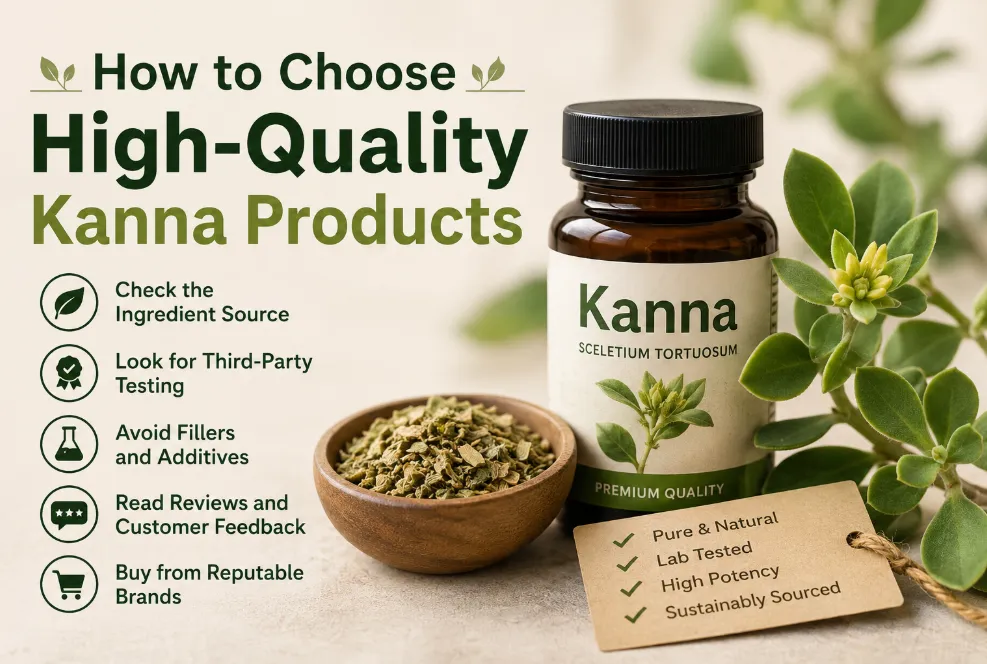
As Kanna continues to gain popularity in the wellness industry, consumers are faced with an increasing number of products claiming to offer premium quality, powerful effects, and superior formulations. From gummies and capsules to extracts and tinctures, the market now offers more Kanna options than ever before.
However, not all Kanna products are created equal.
Product quality can vary significantly depending on the source of the plant, extraction methods, manufacturing standards, and ingredient transparency. Understanding what separates a high-quality Kanna product from a low-quality one can help consumers make more informed purchasing decisions and maximize their wellness experience.
As trusted wellness brands such as MyZen Organix continue introducing premium botanical products to the market, consumers are becoming increasingly aware of the importance of quality, purity, and transparency.
In this guide, we’ll explore how to choose high-quality Kanna products, what to look for on labels, and the key factors that can influence product effectiveness and overall value.
What Is Kanna?
Kanna (Sceletium tortuosum) is a succulent plant native to South Africa.
For centuries, indigenous Khoikhoi and San communities traditionally used Kanna for purposes related to:
-
Emotional well-being
-
Relaxation
-
Social interaction
-
Endurance
-
Everyday wellness
Today, Kanna is commonly available in:
-
Gummies
-
Capsules
-
Extracts
-
Powders
-
Tinctures
As consumer demand grows, so does the importance of selecting products that meet high-quality standards.
Why Product Quality Matters
When purchasing any botanical supplement, quality plays a major role in:
-
Consistency
-
Purity
-
Ingredient accuracy
-
Consumer confidence
Low-quality products may contain:
-
Inconsistent alkaloid levels
-
Poorly sourced ingredients
-
Inaccurate labeling
-
Unverified potency
Choosing a high-quality Kanna product helps ensure you receive what the label claims while supporting a safer and more reliable wellness experience.
1. Look for Standardized Kanna Extracts
One of the most important indicators of quality is standardization.
What Is a Standardized Extract?
A standardized extract contains a controlled concentration of specific active compounds.
For Kanna, this often means consistent levels of naturally occurring alkaloids such as:
-
Mesembrine
-
Mesembrenone
-
Mesembrenol
Standardization helps ensure:
-
Consistent potency
-
Predictable formulation quality
-
Improved product reliability
Products that clearly disclose standardized extract information are generally preferable to those that provide little detail.
2. Check the Ingredient Label
A high-quality Kanna product should have a transparent ingredient list.
Look for labels that clearly identify:
Kanna Extract Type
Examples include:
-
Standardized extract
-
Fermented Kanna extract
-
Full-spectrum Kanna extract
Serving Size
The label should clearly state how much Kanna extract is provided per serving.
Additional Ingredients
Review all ingredients to understand exactly what you’re consuming.
Transparency is often a strong indicator of product quality.
3. Choose Third-Party Tested Products
Third-party testing is one of the most valuable quality indicators available.
Why It Matters
Independent testing can help verify:
-
Product purity
-
Potency
-
Ingredient accuracy
-
Absence of contaminants
Reputable brands often provide information regarding their testing procedures.
When available, third-party testing adds an additional layer of consumer confidence.
4. Research the Brand’s Reputation
A product is only as trustworthy as the company behind it.
Before purchasing, investigate:
Company Transparency
Look for brands that openly discuss:
-
Manufacturing practices
-
Ingredient sourcing
-
Product testing
Customer Reviews
Reviews can provide insight into:
-
Product consistency
-
Customer satisfaction
-
Overall brand reliability
Industry Reputation
Established brands often invest heavily in quality assurance and customer trust.
5. Understand the Source of the Kanna
Quality begins with the plant itself.
When possible, look for information regarding:
Sourcing Practices
Questions to consider:
-
Where was the Kanna grown?
-
How was it cultivated?
-
How was it processed?
Ethical Standards
Responsible sourcing practices may contribute to overall product quality.
While sourcing details are not always available, brands that provide this information often demonstrate greater transparency.
6. Consider the Product Format
Different Kanna formats may suit different preferences.
Kanna Gummies
Benefits:
-
Convenient
-
Great taste
-
Easy to use
Kanna Capsules
Benefits:
-
Precise servings
-
Portable
-
No flavor concerns
Kanna Extracts
Benefits:
-
Concentrated
-
Flexible use
Kanna Powders
Benefits:
-
Customizable serving sizes
The best format depends on personal goals and lifestyle preferences.
7. Avoid Unrealistic Marketing Claims
Be cautious of products that make exaggerated promises.
Examples include claims suggesting:
-
Instant results
-
Guaranteed outcomes
-
Miracle effects
Responsible companies typically focus on:
-
Product quality
-
Ingredient transparency
-
Evidence-based information
Overly aggressive marketing can be a warning sign.
8. Look for Manufacturing Quality Standards
High-quality supplements are often manufactured according to recognized quality practices.
Indicators may include:
GMP Compliance
Good Manufacturing Practices (GMP) help ensure product consistency and quality control.
Quality Assurance Programs
Companies committed to quality often implement extensive testing and verification procedures.
Batch Consistency
Reliable manufacturers strive to maintain consistency from batch to batch.
9. Compare Product Value, Not Just Price
Many consumers focus solely on price.
However, value often matters more than cost alone.
Consider:
Extract Quality
A premium extract may justify a higher price.
Ingredient Transparency
Detailed labeling provides added value.
Testing Standards
Third-party testing can increase consumer confidence.
The cheapest option is not always the best option.
10. Choose Products Designed for Wellness Goals
Different Kanna products may emphasize different wellness objectives.
Some formulations focus on:
-
Mood support
-
Relaxation
-
Cognitive wellness
-
General well-being
Reading product descriptions carefully can help identify options that align with personal preferences.
Red Flags to Watch For
Avoid products that:
-
Hide ingredient information
-
Lack serving details
-
Provide no testing information
-
Make unrealistic claims
-
Offer vague product descriptions
Transparency should always be a priority.
Frequently Asked Questions
What Is the Most Important Factor When Choosing Kanna?
Standardized extracts and transparent labeling are among the most important quality indicators.
Are Third-Party Tested Products Better?
Third-party testing helps verify product quality and ingredient accuracy, making it a valuable consideration.
Should Beginners Choose Gummies or Capsules?
Both can be excellent options. Gummies are often preferred for convenience and taste, while capsules offer simplicity and precise serving sizes.
What Is a Standardized Kanna Extract?
A standardized extract contains controlled amounts of active alkaloids to help ensure consistency.
Why Is Brand Reputation Important?
Reputable brands often invest more heavily in quality control, testing, transparency, and customer satisfaction.
Final Thoughts
As the Kanna market continues to expand, choosing a high-quality product becomes increasingly important. Factors such as standardized extracts, transparent labeling, third-party testing, responsible sourcing, and reputable manufacturing practices can significantly impact product quality and consumer confidence.
Whether you’re considering Kanna gummies, capsules, extracts, or powders, taking the time to evaluate product quality can help you make a more informed purchasing decision. By focusing on transparency, consistency, and trusted manufacturers, consumers can better navigate the growing world of Kanna supplements and select products that align with their wellness goals.
