
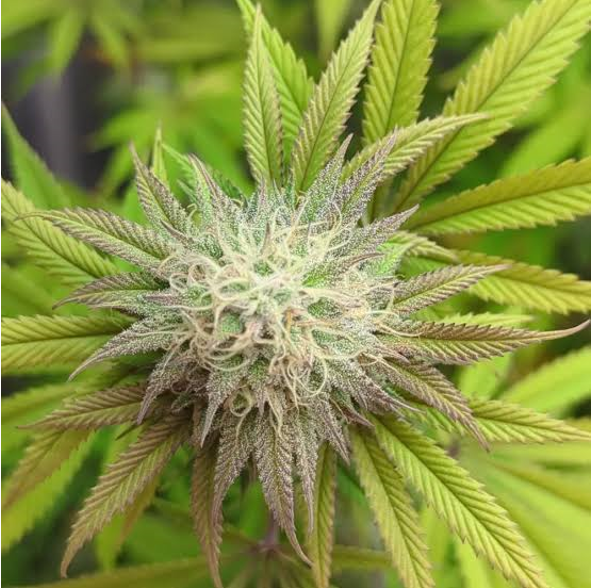
Cannabis cultivars can smell and taste very different even when grown in the same room. Much of this variation comes from aromatic compounds commonly called terpenes, along with other volatile molecules produced by the plant. Genetics create the potential profile, while environment, plant health, harvest timing, drying, and storage influence how clearly that profile appears. Understanding these factors helps growers evaluate cultivars realistically instead of relying only on strain names or promotional descriptions.
Understand What Terpenes Are
Terpenes are aromatic compounds found throughout the plant kingdom. Citrus peel, pine needles, herbs, flowers, spices, and many fruits contain related compounds. In cannabis, they contribute to the scent released by leaves and flowers.
A terpene name is not a complete cultivar description. Overall aroma comes from the combination and relative concentration of many compounds. Two plants may share one major terpene and still smell different because the rest of their profiles are not identical.
Separate Genetics from Marketing Language
Strain names often suggest fruit, dessert, fuel, earth, or floral characteristics. These names can be useful references, but they are not scientific guarantees. Different breeders or sellers may use the same name for plants with different genetic backgrounds.
The phrase cherry lemon strain may suggest a bright fruit profile, but the actual expression depends on the specific genetics, growing environment, harvest timing, and post-harvest handling. Buyers should therefore ask how the nursery identifies mother stock and whether the cultivar has supporting records.
Review the Growing Environment
Temperature, humidity, light intensity, airflow, root health, and plant stress can influence aromatic expression. Extreme heat may increase the loss of volatile compounds, while unstable conditions can reduce overall plant quality.
The goal is not to force aroma through aggressive products. It is to maintain a stable environment that allows the plant’s genetic potential to develop. Strong genetics may still disappoint when heat, watering, or root-zone conditions are poorly managed.
Consider Plant Health and Nutrition
A plant under severe stress may not express the same profile as a healthy plant. Root problems, excessive feeding, poor watering, pest pressure, or unstable pH can redirect energy away from normal development.
Nutrition should support balanced growth rather than chase a specific smell. Claims that one additive will guarantee a particular flavor should be treated cautiously. A complete nutrient program is usually more useful than several specialized products without a clear purpose.
Check the Plant Source
A reliable nursery should maintain clear labels and explain how mother plants are selected and monitored. Buyers searching for blue dream clones for sale should focus on genetic traceability, plant health, and supplier consistency rather than assuming every listing represents the same recognized profile.
A small trial order can be useful before a larger purchase. Evaluating the plant through a full cycle gives the buyer better information about structure, health, aroma, and consistency.
Understand Why the Same Cultivar Can Vary
Even clones with the same genetics can differ when grown under different conditions. Light spectrum, room temperature, humidity, water quality, root space, feeding, and harvest timing all influence the final result.
Post-harvest handling adds another layer. Material dried too quickly or stored in warm, bright conditions may lose aromatic intensity. A disappointing profile does not always mean the genetics were incorrect, so the entire cultivation and storage process should be reviewed.
Protect Aroma After Harvest
Volatile compounds are sensitive to heat, light, and repeated exposure to air. A controlled drying process and suitable storage can help preserve the aroma developed during cultivation.
The grower should avoid rushing the final stage. Clean handling, moderate conditions, and labeled containers make comparisons more reliable. Material should not be exposed to direct sunlight, warm rooms, or frequent opening.
Compare Aroma at More Than One Stage
Aroma can change between the living plant, fresh harvest, drying period, and storage. A scent that seems sharp immediately after cutting may become softer later. Comparing only one stage can therefore create an incomplete impression.
Growers should record observations at consistent intervals to identify whether changes came from genetics, drying, storage, or natural maturation.
Avoid Predicting Effects from Aroma Alone
Aroma can influence preference, but it does not guarantee a particular personal experience. Cannabinoid content, dose, individual biology, product form, and other factors also matter. Similar smells do not necessarily produce identical effects.
Responsible educational content should avoid medical promises or claims that one profile will create a specific outcome for every person. Aroma is one characteristic of a cultivar, not a complete prediction of its effects.
Use Consistent Sensory Notes
Growers can create a simple evaluation sheet for aroma, intensity, dominant notes, and changes over time. Using the same language and conditions for each assessment makes comparisons more useful.
Notes should distinguish between the living plant, freshly harvested material, dried material, and stored material because the profile can change at each stage. Environmental conditions and harvest timing can also be recorded.
Compare Supplier Information Carefully
Some sellers provide detailed genetic and laboratory information, while others rely mainly on descriptive names. Buyers should compare the evidence, the date of any report, and whether it relates to the mother stock being offered.
A transparent seller will explain natural variation rather than promising every plant will match a description. Accurate labeling, customer support, and repeat availability also help buyers judge consistency.
Match the Choice to the Goal
A personal grower may choose a cultivar because of a preferred aroma, while a commercial operator may also consider consistency, customer recognition, repeat availability, and shelf appeal. Both benefit from reliable labels and stable mother stock.
The best choice is one that fits the buyer’s lawful cultivation plan, environment, schedule, and ability to maintain the plant. A fashionable name should not outweigh plant health or suitability.
Conclusion
Aroma profiles reflect genetics, environment, plant health, harvest timing, and post-harvest handling working together. Terpene information can help buyers compare cultivars, but it should not be treated as a guarantee of flavor, effect or quality.
Careful sourcing, stable cultivation, controlled drying, suitable storage, and consistent notes provide a stronger basis for evaluation. When buyers look beyond strain names and promotional language, they can make decisions based on traceability, plant performance and realistic expectations.
